

The Connector: Aileen Huang-Saad's Vision for Maine’s Life Sciences Ecosystem
Dr. Aileen Huang-Saad is the Director of Life Sciences, Health, and Engineering Programs at Northeastern University’s Roux Institute in Portland, Maine. Aileen is a connector, convener, and catalyst whose work exemplifies the power of collaboration to transform Maine’s life sciences ecosystem. Her approach is simple yet revolutionary. Aileen asks,”how can we do it together?” and then makes it happen.
Since relocating to Maine and joining The Roux Institute, Aileen has become a unifying force in Maine’s life sciences community, breaking down silos and building bridges between academia, industry, government, and healthcare. Her work focuses on catalyzing ecosystem growth by building what she calls “density of activity,” creating spaces and opportunities where collaboration happens organically because the right people, resources, and infrastructure are co-located. Aileen co-founded and co-leads the Maine Life Sciences Network, which brings together life sciences professionals from across New England for collaboration, resource sharing, and collective innovation. Through this network, Aileen has created a vital connective tissue that didn’t previously exist, enabling smaller organizations and independent researchers to access the expertise and infrastructure they need to thrive. The group collaborates asynchronously and meets in a hybrid format throughout the year then connects in person during its annual Impact Forums (more on this below).
Aileen’s partnership philosophy centers on reducing barriers to entry. Recognizing that prohibitive lab costs prevent early-stage life sciences companies from launching and scaling in Maine, she spearheaded the launch of the BioPILOT Lab in partnership with the University of Southern Maine. Located at USM’s Science Building, BioPILOT provides affordable lab space and equipment access to emerging companies — a resource that has become critical resource for Maine’s growing biotech sector. The Roux Institute recently secured a Life Sciences Ecosystem Grant from the Maine Technology Institute to expand this work into BioCoLab, which will, as Aileen describes it, “build density of activity through co-location and community programming, expand access to critical networks of mentorship and investors, strengthen pathways to capital and talent, and ensure the BioPilot lab at USM remains a cornerstone resource for emerging startups.” This vision demonstrates Aileen’s systems-thinking approach. She doesn’t just create isolated programs but builds interconnected infrastructure that addresses multiple barriers simultaneously.
Perhaps most emblematic of Aileen’s unifying leadership is the annual Life Sciences Impact Forum, now in its third year. Each September, Aileen has led the convening of life scientists from across Maine to tackle pressing challenges together. The 2025 forum focused on brainstorming ways to address PFAS contamination — a critical issue for Maine communities. Aileen secured end-to-end funding from sponsors and partners, and her collaborative approach enabled the forum to award grants to winning proposals, turning conversation into tangible action. The Impact Forum has become a cornerstone event where Maine’s life sciences community comes together not just to network, but to solve problems collectively.
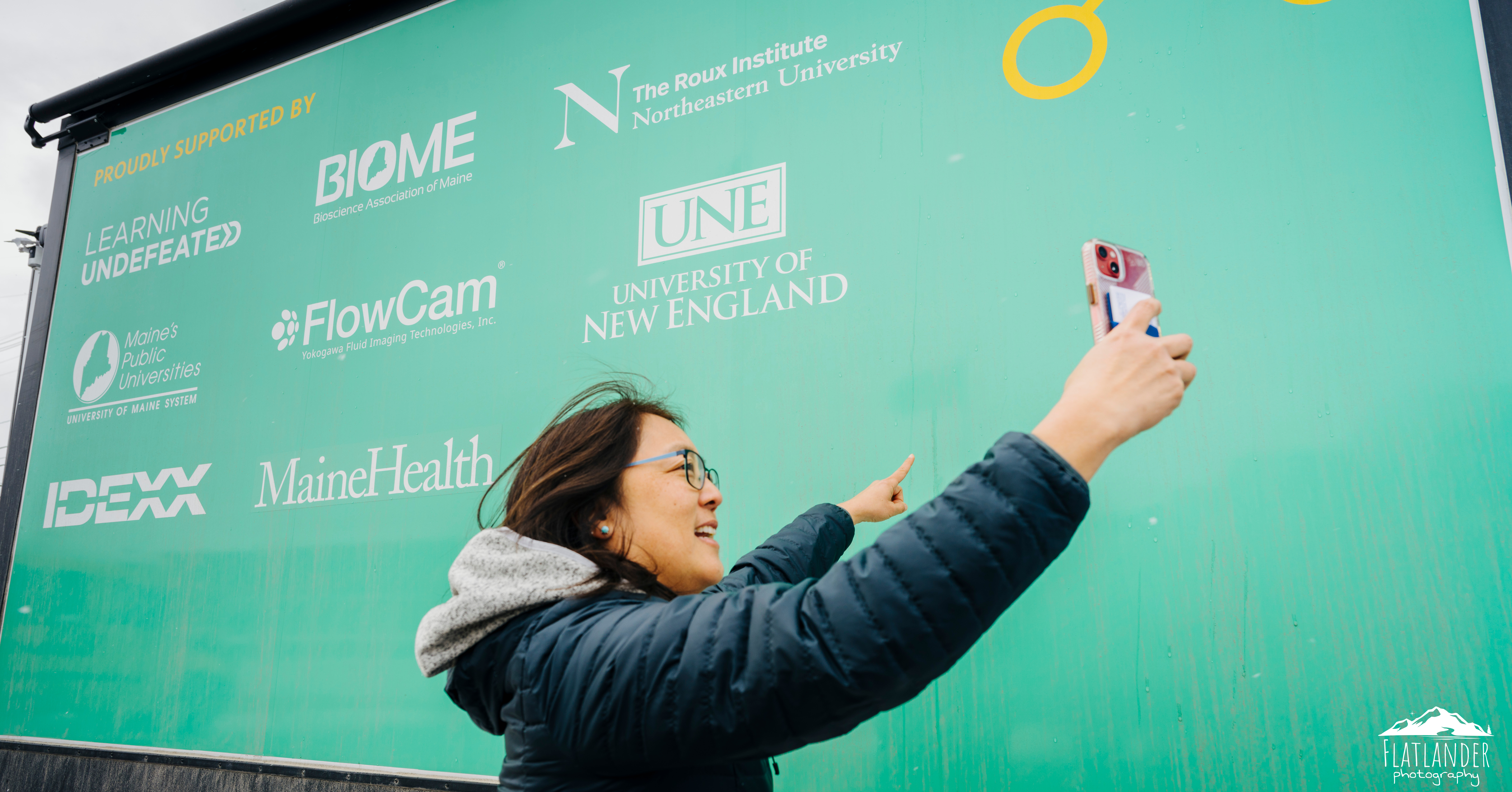
Aileen’s partnership portfolio reflects the breadth of her collaborative vision. She works seamlessly across sectors with organizations including the Bioscience Association of Maine (BioME), Focus Maine, MaineHealth, MaineHealth Institute for Research, IDEXX, MDIBL, The Jackson Laboratory, Bigelow Laboratory for Ocean Sciences, and Maine’s state government, where she serves on the State Workforce Board. What distinguishes Aileen is her willingness to embrace complexity if it means creating better outcomes for Maine. She actively seeks opportunities to align efforts across organizations, even when coordination requires additional work, because she understands that collective impact exceeds the sum of individual efforts.
Beyond industry partnerships, Aileen leads initiatives addressing Maine’s rural healthcare workforce challenges. She initiated, by securing critical funding from the Maine Department of Labor, the institute’s Pre-Clinical Healthcare Gap Year Program which brings post-baccalaureate students to Maine for a year to fill hard-to-staff clinical roles in rural communities while gaining hands-on experience before medical school. Aileen and her team secured additional funding for this program through partnerships with MaineHealth and philanthropic support from Sun Life and Delta Dental, demonstrating her ability to align diverse stakeholder interests around shared goals. This program simultaneously addresses Maine’s healthcare access challenges and develops the next generation of clinicians with rural health experience.
As a faculty member in Northeastern University’s College of Engineering, Aileen brings academic rigor to her community-building work. She understands that sustainable change requires institutional commitment, not just individual initiative, and she has embedded partnership and collaboration into the fabric of The Roux Institute’s life sciences programs.
Looking ahead, Aileen’s impact will only grow as The Roux Institute expands to its permanent campus in East Deering in late 2027. Her groundwork in building Maine’s life sciences infrastructure and community will position the state as a competitive hub for biotech innovation and healthcare advancement.